
Table of Contents
- Why Vintage Apparel Holds Odors
- Using Baking Soda for Fabric Odor Removal
- How to Use Vodka to Remove Clothing Odors
- Sun Drying Vintage Apparel to Neutralize Odors
- White Vinegar and Fresh Air Exposure
- Freezing and Steam Cleaning Methods
- Protecting Fabric Integrity While Deodorizing
- Frequently Asked Questions
Last Updated: September 19, 2026
Why Vintage Apparel Holds Odors
Vintage clothing absorbs odors from storage, age, and moisture. Trapped moisture creates an environment for bacteria and mold spores to thrive, producing musty smells from both natural fiber breakdown and environmental factors like humidity and poor ventilation.
Using Baking Soda for Fabric Odor Removal
Baking soda neutralizes odors by absorbing the compounds that create them rather than masking them, making it highly effective on vintage apparel.
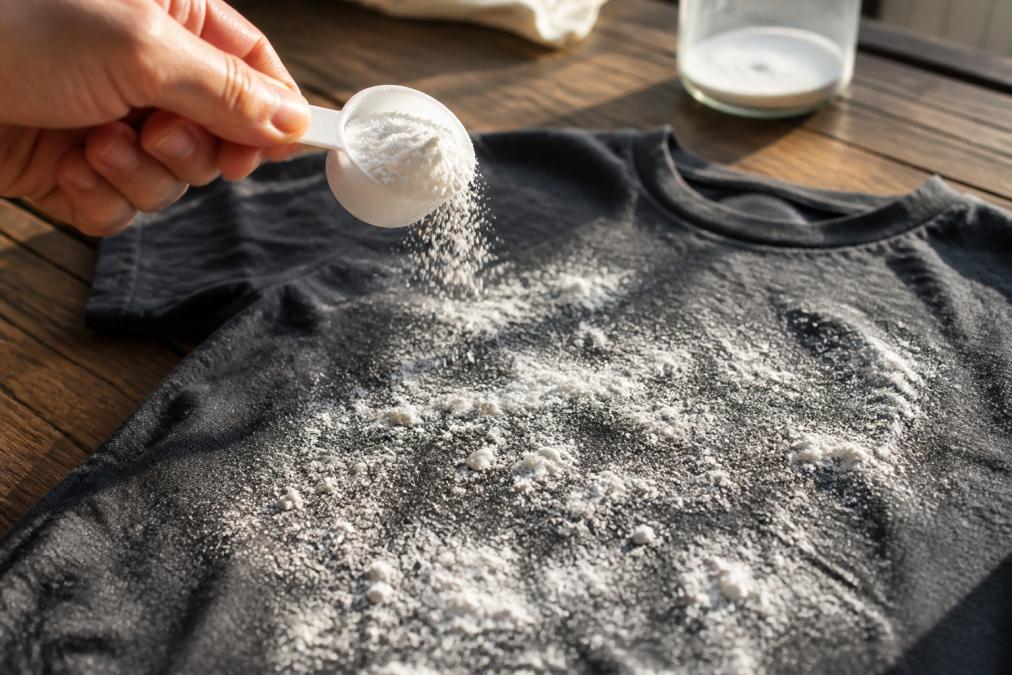
Dry Application Method
Lay your vintage t-shirt flat and sprinkle baking soda across the entire garment, focusing on the smelliest areas. Let it sit 24-48 hours, then shake vigorously outside and gently brush away remaining powder. This method works best for light to moderate odors and is safe for all fabric types.
Baking Soda Paste for Stubborn Smells
For deep-set odors, mix baking soda with water to create a thick paste. Apply to underarms, collars, and seams where bacteria concentrate. Let dry completely (12-24 hours), then brush away gently. The moisture penetrates deeper than dry application. Always spot test on hidden areas first, as some delicate fabrics may show water marks.
How to Use Vodka to Remove Clothing Odors
Vodka kills odor-causing bacteria through its high alcohol content and evaporates quickly without leaving moisture. Pour undiluted vodka into a spray bottle and mist lightly (don't soak), then hang in a well-ventilated area to air dry. Works well on synthetic blends and bacteria-driven odors like musty or sour smells, but is less effective on mold-based odors. Test on inconspicuous areas first, especially on delicate fibers like silk or linen.
Sun Drying Vintage Apparel to Neutralize Odors
Sunlight naturally deodorizes fabric through UV rays that kill bacteria and mold spores, while fresh air evaporates trapped moisture. Hang your vintage t-shirt in direct sunlight for 4-8 hours on a clothesline if possible. This free, gentle method works slowly but won't damage delicate apparel. For stubborn odors, layer with other methods, apply baking soda first, then sun dry.
White Vinegar and Fresh Air Exposure
White vinegar neutralizes odors through acidity, killing bacteria and breaking down musty compounds. Mix equal parts vinegar and water in a spray bottle and spritz lightly, then hang in a well-ventilated area. Particularly effective against mildew and mold-based odors. Test on hidden areas first, as acidity can affect some vintage dyes. Allow 24 hours of airing before wearing.
Freezing and Steam Cleaning Methods
Freezing and steam represent two opposite approaches to odor removal, one uses cold to halt bacterial growth, the other uses heat and moisture to release trapped odors. Understanding when and how to use each method prevents wasted effort and fabric damage.
How Freezing Removes Odors
Freezing temporarily halts bacterial activity that produces odors, bacteria enter dormancy below 40°F. However, odors can return once the garment thaws if the underlying cause (moisture, mold spores, or bacterial colonies) isn't addressed.
Freezing is most effective for:
- Light, fresh odors (not deep musty or mold-based smells)
- Delicate fabrics that can't tolerate moisture or chemicals
- Temporary suppression before wearing or supplementing other methods
How to freeze vintage apparel:
- Ensure the garment is completely dry to prevent mold.
- Place in a sealed plastic bag or airtight container, squeezing out excess air.
- Freeze for 48 hours minimum.
- Thaw at room temperature (2-4 hours); avoid sudden heat.
- Hang in a well-ventilated area for 24 hours before wearing.
Steam Cleaning for Odor Release
Steam works through two mechanisms: heat kills some bacteria, and moisture penetrates fibers to release volatile organic compounds (VOCs) that create musty smells. As the steam evaporates, it carries odors away. This makes steam particularly effective for storage smells and light mildew.
Steam is most effective for:
- Storage odors (dust, staleness, trapped air)
- Light mildew or musty smells
- Finishing a deodorizing process after baking soda or vinegar
- Refreshing the fabric texture after dry deodorizing methods
How to steam vintage apparel safely:
-
Choose the right tool. A handheld garment steamer is safer than an iron for vintage pieces. Steamers apply moisture without direct pressure, reducing shrinkage and graphic damage risk. Avoid steamers with aggressive heat settings; look for models with adjustable temperature (ideally 200-250°F for delicate fabrics).
-
Hang the garment vertically. Drape the vintage t-shirt on a hanger in a well-ventilated area. Ensure air can circulate behind and around the fabric.
-
Test on a hidden area first. Apply steam to an inconspicuous spot (inside seam, back collar) for 5 seconds. Wait 30 minutes and inspect for water marks, dye bleeding, or shrinkage.
-
Apply steam in light passes. Hold the steamer 6-8 inches from the fabric. Make vertical passes from top to bottom, allowing steam to penetrate without saturating. Avoid holding the steamer in one spot; movement prevents water pooling.
-
Focus on odor-prone areas. Underarms, collar, and seams accumulate odors. Give these areas 2-3 passes while keeping other areas to 1 pass.
-
Allow full drying. Hang the garment for 24 hours in a dry, well-ventilated space before wearing. Residual moisture can reactivate odors if the garment is stored damp.
Cautions for vintage apparel:
- Excessive heat can shrink vintage t-shirts, especially if the original garment was not pre-shrunk (common in older pieces). Always use low-to-medium heat.
- Printed graphics and vintage dyes are vulnerable to steam. Water droplets can cause bleeding or permanent staining. Test first.
- Delicate fabrics (silk, thin wool, rayon) can water-spot under steam. Avoid steam for these unless absolutely necessary.
- Steam works best on synthetic blends and sturdy cotton; use sparingly on natural fibers.
Layering Freezing and Steam for Stubborn Odors
For deep-set, stubborn odors, combine methods:
- Apply baking soda (dry method) for 48 hours to absorb odor compounds.
- Freeze the garment for 48 hours to halt bacterial regrowth.
- Thaw at room temperature and hang in sunlight for 4-6 hours to kill remaining bacteria and evaporate residual moisture.
- Finish with a light steam pass to release any remaining VOCs and restore fabric texture.
This layered approach addresses odors from multiple angles, absorption, bacterial suppression, UV sterilization, and moisture release, making it effective even for vintage pieces with years of accumulated smell.
Protecting Fabric Integrity While Deodorizing
Your goal is removing odors without damaging the garment. Each deodorizing method carries different risks depending on fabric composition, dye stability, and age. A structured approach, matching method to fabric type, prevents costly mistakes.
Fabric-Specific Safety Matrix
Not all methods are equally safe for all fabrics. Here's how to choose:
Cotton and Cotton-Blend Vintage T-Shirts
- Baking soda (dry): Safe. Cotton tolerates powder well and benefits from extended contact time (48 hours).
- Baking soda (paste): Safe with caution. Test on a seam first; water marks can appear on some dyed cottons if paste isn't fully dried before removal.
- Vodka spray: Safe. Cotton fibers are resilient to alcohol; use light misting only.
- Vinegar solution: Safe. Cotton's durability makes it ideal for vinegar's acidity. Dilute 1:1 with water; test on underside of collar first.
- Freezing: Safe. No risk to fabric.
- Steam: Moderate risk. Use low heat (below 250°F) and keep steamer 6+ inches from fabric to avoid shrinkage or graphic damage.
Wool Vintage Pieces
- Baking soda (dry): Safe and preferred. Wool absorbs odors readily; 24-48 hours is effective.
- Baking soda (paste): Avoid. Moisture can felt wool fibers, permanently altering texture.
- Vodka spray: Safe. Wool tolerates alcohol well; light misting only.
- Vinegar solution: Use with extreme caution. Vinegar's acidity can strip lanolin (wool's natural oils) and dull the fiber. If using, dilute heavily (1 part vinegar to 3 parts water) and test on an inconspicuous area.
- Freezing: Safe.
- Steam: Moderate risk. Heat and moisture together can felt wool. Avoid unless absolutely necessary.
Silk and Delicate Vintage Pieces
- Baking soda (dry): Safe and preferred. Silk is delicate; dry application avoids moisture damage.
- Baking soda (paste): Avoid. Water can leave marks on silk and weaken fibers.
- Vodka spray: Safe but use sparingly. Silk tolerates alcohol, but oversaturation can weaken fibers. One light pass only.
- Vinegar solution: Avoid. Silk's protein structure is vulnerable to acidity; vinegar can damage fibers and fade dyes.
- Freezing: Safe.
- Steam: Avoid. Silk can water-spot and shrink under steam. The risk outweighs the benefit.
Synthetic Blends (Polyester, Nylon, Acrylic)
- Baking soda (dry): Safe. Synthetics don't absorb odors as deeply as natural fibers, so 24 hours is often sufficient.
- Baking soda (paste): Safe. Synthetics resist water marks better than natural fibers.
- Vodka spray: Safe and effective. Synthetics tolerate alcohol well; this is a strong choice for synthetic-dominant blends.
- Vinegar solution: Safe. Test first, as some synthetic dyes can be sensitive to acidity, but most modern synthetics handle vinegar well.
- Freezing: Safe.
- Steam: Safe. Synthetics are heat-resistant; use medium heat (up to 300°F) without risk of shrinkage.
Odor Type Matters as Much as Fabric Type
Before choosing a method, identify the odor source:
- Musty/Mold smell: Caused by mildew or mold spores. Vinegar and steam are most effective because they kill the source. Baking soda absorbs but doesn't eliminate mold.
- Stale/Storage smell: Dust, damp, and trapped air. Baking soda and freezing work well; sunlight is highly effective.
- Perfume/Cologne residue: Lingering fragrance from previous owner or storage. Vodka spray and vinegar both break down fragrance molecules. Baking soda is less effective here.
- Sour/Sweat smell: Bacteria-driven odors from underarms or collar areas. Vodka (kills bacteria) and vinegar (neutralizes) are superior to baking soda alone.
Always Spot Test First
Before applying any method to the full garment, test on a hidden area, inside a seam, underarm, or back collar. Wait 24 hours and inspect for:
- Water marks or staining
- Dye bleeding or fading
- Texture changes (pilling, felting, stiffness)
- Odor persistence
If the test area shows any damage, choose a gentler method or consult a professional cleaner experienced with vintage textiles.
Post-Treatment Fabric Conditioning
After deodorizing, especially with drying agents like baking soda or vinegar, fabric texture can feel stiff or dull. Restore softness without washing:
- For cotton and synthetics: Hang the garment in a humid bathroom for 2-4 hours (steam from a shower will restore moisture without saturation). Alternatively, lightly mist with distilled water and air dry flat.
- For wool: Use a fabric conditioner spray designed for wool (follow product instructions). Avoid heavy application; a light mist restores lanolin and softness.
- For silk: A light fabric refresher spray or a single pass with a cool steamer (held at arm's length) can restore drape without damage.
Frequently Asked Questions
How do you get the old smell out of vintage clothes?
The most effective approach combines multiple methods. Start by airing the garment outdoors for 24-48 hours to allow volatile organic compounds to evaporate naturally. Then apply baking soda by sprinkling it over the fabric, letting it sit for 12-24 hours to absorb odor-causing bacteria, and vacuuming it away. For stubborn musty smells, spray the garment lightly with a vodka solution (1 part vodka to 3 parts water) and air dry. If the odor persists after these steps, consider professional dry cleaning to avoid damaging delicate fibers.
Can sunlight help remove odors from vintage fabric?
Yes. Sunlight is one of the most effective natural deodorizers available. UV rays kill odor-causing bacteria and mold spores while evaporating moisture that traps musty smells. Hang your vintage t-shirt in direct sunlight for 4-8 hours, turning it periodically to ensure even exposure. This works especially well for storage odors and mildew. However, be cautious with synthetic blends or dark fabrics that may fade with prolonged sun exposure. Test a small, inconspicuous area first, or limit sun drying to 2-3 hours for vintage pieces prone to color loss.
Is it safe to use vodka on all vintage t-shirt fabrics?
Vodka is generally safe on most natural fibers and synthetic blends because it evaporates quickly without leaving residue. However, always spot test on a hidden seam or interior area first to check for color bleeding or fabric damage. Use undiluted vodka or a light spray (1 part vodka to 3 parts water) and allow the garment to air dry completely. Avoid vodka on delicate fabrics like silk or vintage pieces with fragile fibers. For these materials, stick to baking soda, sunlight, or professional dry cleaning instead.
How long does it take to remove odors using these methods?
Results vary by method and odor intensity. Sunlight exposure typically shows results within 24-48 hours. Baking soda requires 12-24 hours of contact time before vacuuming. Vodka spray works within 2-4 hours as it evaporates. White vinegar and fresh air exposure may take 48-72 hours depending on ventilation and humidity. Freezing takes 24-48 hours. For vintage pieces with deep storage odors or mildew, combining multiple methods over several days yields better results than relying on a single approach.