
Table of Contents
- Why Fabric Softeners Damage Graphic Prints
- How to Wash Graphic Tees Without Cracking
- Best Fabric Softener for Cotton Graphic Tees
- Fabric Softener Alternatives for Laundry
- Drying Techniques for Screen-Printed Designs
- Caring for Your Graphic Tees Long-Term
- Conclusion
- Frequently Asked Questions
Last Updated: September 2, 2026
Why Fabric Softeners Damage Graphic Prints
Fabric softeners are engineered to coat cotton fibers with silicone-based compounds and surfactants that reduce friction and static cling. When applied to graphic tees, these coatings settle directly onto screen-printed or heat transfer designs, creating a barrier between the ink and the fabric surface. The result is peeling, cracking, and fading that can destroy a graphic within just a few washes.
The damage happens because plastisol ink (the most common ink used in screen-printing) bonds to cotton fibers through mechanical adhesion rather than chemical bonding. Fabric softeners disrupt this bond by coating the fiber surface with slippery compounds. As you wear and wash the shirt, the ink loses its grip on the fiber and begins to crack. The heat from dryers accelerates this process dramatically.
What most people don't realize is that fabric softener residue builds up over time. Each wash adds another layer of coating. After five or six washes, the accumulation becomes visible as cracking around the edges of the graphic. The heavier the fabric softener formula, the faster the damage appears. This is why graphic tees from Nation Swag Designs, crafted from quality 100% ring-spun cotton with durable screen-printed designs, require a different care approach than regular cotton garments.
The chemical composition matters too. Cationic surfactants in commercial softeners are particularly aggressive on printed surfaces (peer-reviewed research). They're designed to be positively charged so they stick to negatively charged cotton fibers. Unfortunately, they stick just as aggressively to ink particles, weakening the print's structural integrity with every application.
How to Wash Graphic Tees Without Cracking
The safest approach to preserving graphic tees involves three critical steps: washing inside out, using cold water, and selecting a delicate cycle that minimizes mechanical agitation.
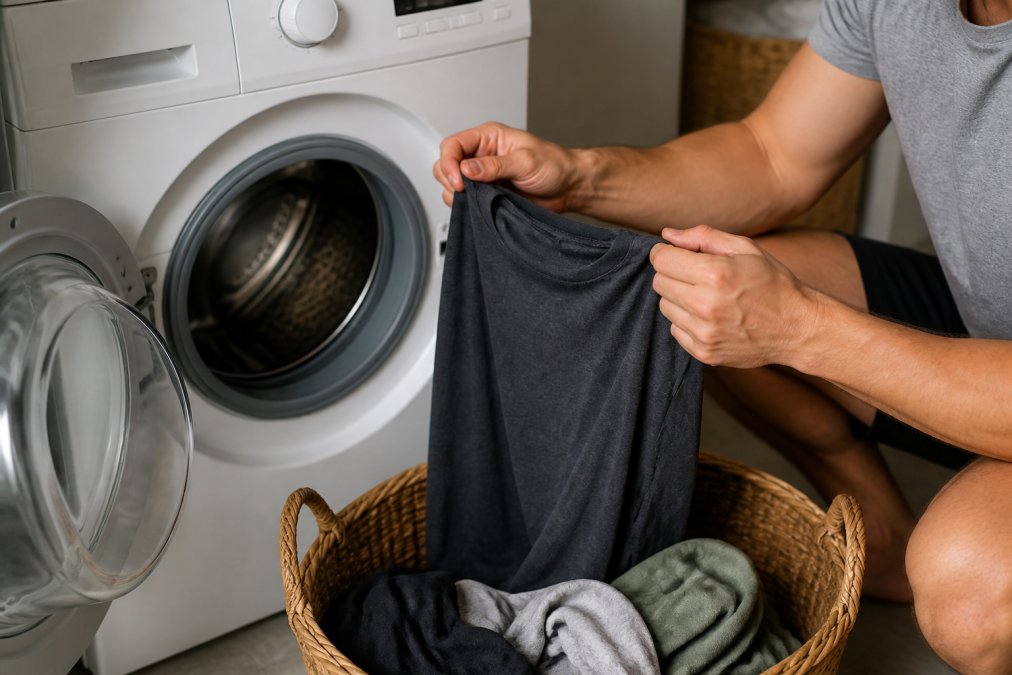
Washing inside out is non-negotiable. This single step protects the print from direct contact with detergent residue and the agitation of the wash cycle. The fabric back absorbs the mechanical stress while the graphic remains shielded. Most people skip this step because it seems unnecessary, but it's the difference between a print lasting 50 washes and 200 washes.
Cold water wash is equally important. Heat accelerates the breakdown of the bond between ink and fiber. Hot water opens up the cotton fibers, allowing detergent and water to penetrate deeper and weaken the adhesion. Cold water keeps fiber stiffness minimal and prevents the ink from becoming brittle. Use water temperature between 60-70 degrees Fahrenheit for best results (the FTC).
The delicate cycle reduces mechanical agitation, which is the primary physical force that causes cracking. Standard wash cycles use high-speed tumbling that flexes the fabric repeatedly. A delicate cycle uses slower speeds and shorter wash times, typically 25-30 minutes instead of 40-45 minutes. This gentler approach preserves fiber relaxation without over-stressing the print.
Detergent selection matters as well. Use a mild, fragrance-free detergent without optical brighteners or enzymes. Optical brighteners are designed to make whites appear whiter by depositing a coating on the fabric, exactly what you don't want on a graphic tee. Enzymes break down protein stains but also degrade the polymer chains that hold plastisol ink together.
Best Fabric Softener for Cotton Graphic Tees
The honest answer is that no fabric softener is truly safe for screen-printed designs. However, if you must use a softening agent, liquid fabric softeners applied during the rinse cycle are marginally safer than dryer sheets or heavily concentrated formulas. The key is using minimal amounts and ensuring thorough rinsing afterward.
If you're committed to using a commercial softener, follow these rules strictly:
- Use only during the final rinse cycle, never during the main wash
- Dilute the softener with water at a 1:4 ratio (one part softener to four parts water)
- Run an additional rinse cycle after the softener is applied
- Never use dryer sheets on graphic tees, they deposit concentrated softener coating directly onto the print
- Air dry only; tumble drying will set any remaining softener residue permanently
That said, this approach is damage control, not damage prevention. Even diluted softener will eventually cause cracking. The real solution is abandoning fabric softeners entirely and using natural alternatives that soften without coating the fibers.
Nation Swag Designs garments are made from pre-shrunk, 100% ring-spun cotton that's already soft when new. The garment-dyed Comfort Colors shirts and Bella + Canvas jersey tees don't require softening because the manufacturing process already delivers the comfort you're looking for. Trying to soften them further introduces unnecessary risk to the graphics.
Fabric Softener Alternatives for Laundry
White Vinegar and Natural Softening Methods
White vinegar is the most effective natural softener because it works through an entirely different mechanism than commercial products. Instead of coating fibers with silicone, vinegar contains acetic acid that removes detergent residue and mineral deposits from hard water. This residue removal actually restores fiber softness without creating a slippery coating.
Add one-half to one cup of white vinegar to the rinse cycle of your washing machine. The acetic acid dissolves any remaining detergent and water minerals that stiffen the fabric. The result is noticeably softer cotton without any risk to screen-printed graphics. The vinegar smell dissipates completely within a few hours of air drying.
Vinegar is especially effective in areas with hard water. Hard water contains dissolved minerals like calcium and magnesium that bind to cotton fibers and create stiffness. Detergent doesn't fully remove these minerals, so they accumulate over time. Vinegar dissolves this mineral buildup and restores the natural softness of the cotton fibers.
For graphic tees specifically, vinegar offers another advantage: it helps maintain vibrant colors. The acetic acid prevents dye fading by neutralizing alkaline residues that can shift color. This is why vintage graphic tees washed with vinegar often look brighter than those washed with standard detergent alone.
Baking soda can be used as a complementary treatment. Add one-quarter cup of baking soda to the wash cycle along with your regular detergent. Baking soda enhances detergent effectiveness while softening the water, reducing the mineral content that causes fiber stiffness. Use baking soda and vinegar together for maximum softness: baking soda in the wash, vinegar in the rinse.
Baking Soda and Wool Dryer Balls
Wool dryer balls are a mechanical alternative to chemical softeners. These tennis ball-sized spheres made from 100% wool bounce around the dryer and physically separate fabric, reducing wrinkles and static cling without any chemical coating. They work through fiber relaxation, the gentle tumbling allows cotton fibers to expand and relax naturally.
Add 3-5 wool dryer balls to your dryer on low heat for graphic tees. Low heat is critical; high heat can cause plastisol ink to become brittle and crack. The balls provide gentle mechanical action that softens the fabric through movement rather than chemical treatment. They're reusable for years and cost significantly less than fabric softener over time.
Wool dryer balls are particularly effective when combined with air drying. Use the balls for 10-15 minutes on low heat to remove excess moisture, then hang the shirt to air dry completely. This hybrid approach delivers softness without heat exposure and eliminates the need for chemical softeners entirely.
Static cling is often cited as a reason people use dryer sheets, but wool dryer balls eliminate static without any coating. The wool fibers naturally absorb moisture, which prevents the electrical charge buildup that causes static. This makes them ideal for synthetic blends and delicate prints.
Drying Techniques for Screen-Printed Designs
Air drying is the gold standard for preserving graphic tees. Hanging the shirt on a clothesline or drying rack allows cotton fibers to relax naturally without heat exposure. Heat is one of the primary factors that causes plastisol ink to become brittle and crack. Air drying eliminates this risk entirely.
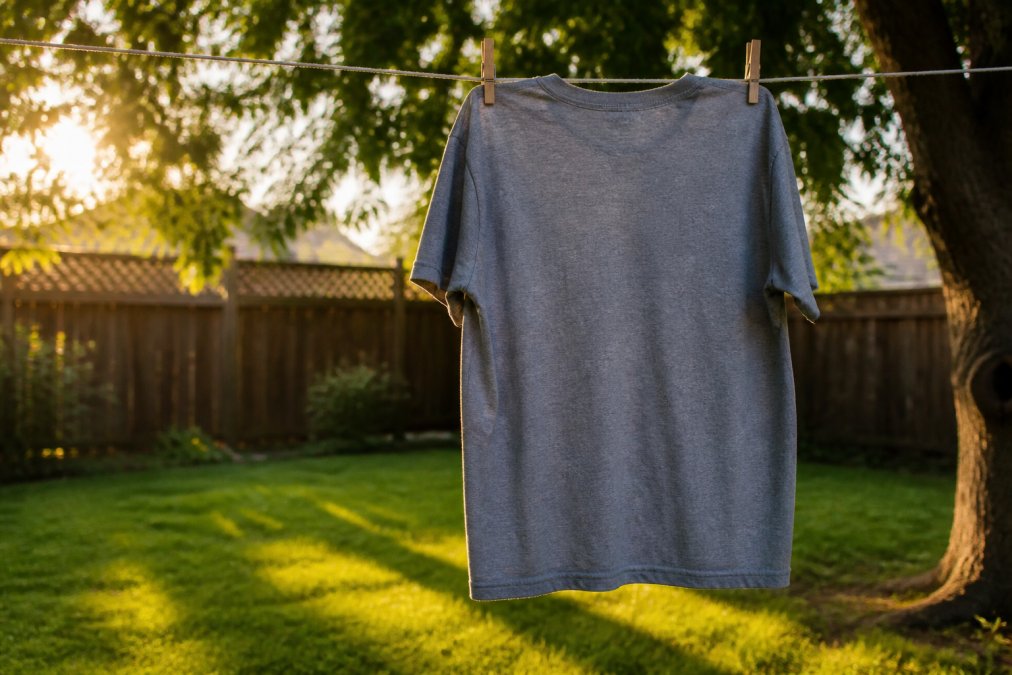
When air drying, position the shirt so the graphic faces away from direct sunlight. UV exposure can fade colors over time, even without heat. Hang the shirt in a shaded area with good air circulation. A basement, garage, or covered porch works well. Allow 4-6 hours for complete drying depending on humidity and air movement.
If you must use a dryer, select the permanent press or delicate setting with low heat. Permanent press cycles use lower temperatures and shorter durations than standard heat dry. The temperature typically stays below 130 degrees Fahrenheit, which is low enough to prevent ink brittleness. Run the dryer for 20-25 minutes, then remove the shirt while slightly damp and hang it to finish drying.
Never use high heat settings on graphic tees. High heat cycles reach 160+ degrees Fahrenheit, which causes plastisol ink to harden and crack under the stress of fabric movement (peer-reviewed research). The damage from a single high-heat dry cycle can be permanent and irreversible.
Tumble dry low is acceptable as an intermediate option, though air drying is always superior. Tumble dry low uses reduced heat and tumbling speed, minimizing stress on both the fabric and the print. This setting is safer than standard heat but still carries more risk than air drying.
The timing of drying matters too. Remove the shirt from the washing machine promptly and begin drying within 30 minutes. Wet fabric left in the washer can develop mildew odors and bacterial growth that requires additional washing to remove. Immediate drying prevents this issue and reduces the total number of wash cycles your graphic tee endures.
Caring for Your Graphic Tees Long-Term
Long-term care of graphic tees involves establishing a consistent routine that minimizes wear on both the fabric and the print. The first 10 washes are critical, this is when the ink bonds most firmly to the cotton fibers. Treat new graphic tees with extra care during this break-in period.
Wash new graphic tees inside out on delicate cycle with cold water for the first five washes. This allows the plastisol ink to cure fully while the fabric undergoes initial softening. After five washes, the bond between ink and fiber is strong enough to withstand normal delicate-cycle washing, though inside-out washing should continue indefinitely.
Storage matters as much as washing. Fold graphic tees rather than hanging them on wire hangers, which can create permanent creases and stress points. Store them in a cool, dry place away from direct sunlight. Sunlight exposure fades colors over time, even when the shirt isn't being worn. A dark closet or drawer is ideal.
Inspect the graphic regularly for early signs of cracking. Small cracks at the edges of the design are the first warning sign. If you notice cracking, reduce washing frequency and extend the time between wears. Wearing the shirt less often dramatically extends its lifespan by reducing the cumulative stress on the print.
For stubborn stains on graphic tees, spot clean rather than washing the entire shirt. Apply a small amount of cold water and mild detergent directly to the stain, gently rub with a soft cloth, and rinse thoroughly. This removes the stain without subjecting the entire print to a full wash cycle. Spot cleaning is one of the most effective ways to extend the life of graphic tees.
Nation Swag Designs shirts are built to last, but they require intentional care to preserve the graphics that make them meaningful. The patriotic and faith-based designs on our garments represent values and identity, protecting them means protecting what those designs stand for. Quality apparel deserves quality care.
Conclusion
Fabric softeners damage graphic prints by coating cotton fibers with silicone and surfactants that weaken the bond between plastisol ink and fabric. The damage is cumulative, irreversible, and completely preventable. The best fabric softener for cotton graphic tees is no fabric softener at all.
Instead, use white vinegar in the rinse cycle, wool dryer balls on low heat, or simply air dry your graphic tees. These natural alternatives deliver softness without chemical coating and preserve the integrity of screen-printed designs. Inside-out washing on delicate cycles with cold water, combined with air drying, creates the ideal care routine for graphic tees.
Nation Swag Designs garments are crafted from premium cotton and printed with durable designs that reflect patriotic values and meaningful graphics. Protecting those graphics requires rejecting fabric softeners in favor of gentler, more effective alternatives. Start with our Grind mode Unisex Garment-Dyed T-shirt or any of our premium graphic tees, they're built to last when cared for properly.
Frequently Asked Questions
Q: Can you use fabric softener on cotton graphic tees?
A: Most commercial fabric softeners damage screen-printed designs by leaving residue that causes cracking and peeling. The surfactants in fabric conditioner break down the plastisol ink bonds that hold prints to cotton fibers. For graphic tees, skip traditional softeners and instead use gentler alternatives like white vinegar or air-dry methods to achieve softness without compromising print integrity.
Q: How do you soften a 100% cotton t-shirt without damaging the print?
A: Wash graphic tees inside out in cold water on a delicate cycle with mild detergent. Add white vinegar to the rinse cycle instead of fabric softener, it softens cotton fibers naturally while preventing detergent residue buildup. Air dry completely rather than using heat, which can set any remaining chemical residue.
Q: What's the best way to remove stiffness from new graphic tees?
A: New cotton graphic tees often feel stiff due to manufacturing finishes and fiber tension. Wash inside out in cold water with a small amount of white vinegar in the rinse cycle. Avoid the dryer entirely, air dry flat or hanging. For tees like Nation Swag Designs' Comfort Colors 1717 garment-dyed shirts (starting at $20.68), the soft-washed fabric reduces initial stiffness, but this method still applies for long-term care.
Q: Do dryer sheets damage screen-printed designs?
A: Yes, dryer sheets leave a waxy coating that can accelerate cracking in plastisol ink prints. The static-cling chemicals bond to both cotton fibers and the print surface, trapping heat and moisture that weakens the ink's adhesion. For graphic tees, skip dryer sheets entirely and air dry instead. If you must use a dryer, use wool dryer balls as a natural static-reduction alternative without chemical residue.
The real investment isn't in the softener you avoid using. It's in the care routine you commit to. Graphic tees that last years rather than months prove that intentional maintenance delivers returns far beyond the initial purchase price.
This article was written using GrandRanker