
Table of Contents
- Why Durable Streetwear Matters for Physical Work
- Best Materials for Physical Job Apparel
- Tactical Apparel for Everyday Wear: Beyond the Aesthetic
- How to Choose Durable Work Clothing That Fits Your Needs
- Durability Testing: What Holds Up in Real Conditions
- Graphic Durability and Long-Term Wear
- Sustainable Repairability: Extend Your Gear's Life
- Conclusion
Last Updated: August 26, 2026
Why Durable Streetwear Matters for Physical Work
When you're working a physical job, your clothes are functional equipment. The difference between apparel that lasts six months and gear that holds up for years comes down to materials, construction, and honest durability testing. At Nation Swag Designs, we understand that durable streetwear for physical jobs needs to balance comfort with resilience, style with substance.
Most people buy work clothes based on price or brand recognition without asking the right questions: How are the seams reinforced? What's the actual weight of the fabric? Will the graphics survive repeated washing? These details separate apparel that survives a season from clothing that becomes your go-to uniform for years.
A shirt that tears mid-shift is a disruption. Fading graphics on a piece you've invested in feel like waste. When you're doing physical labor, you need gear that performs under actual conditions.
Best Materials for Physical Job Apparel
The foundation of any durable garment starts with what it's made from. Understanding the materials that actually hold up separates informed buyers from those who learn through expensive mistakes.
Heavy-Weight Cotton and Reinforced Stitching
Heavy-weight cotton, typically 7.5 ounces or more, is the gold standard for work apparel (astm.org). This density creates natural abrasion resistance and the durability needed for physical labor. When you grab true heavyweight cotton, you can feel the difference immediately, it has substance.
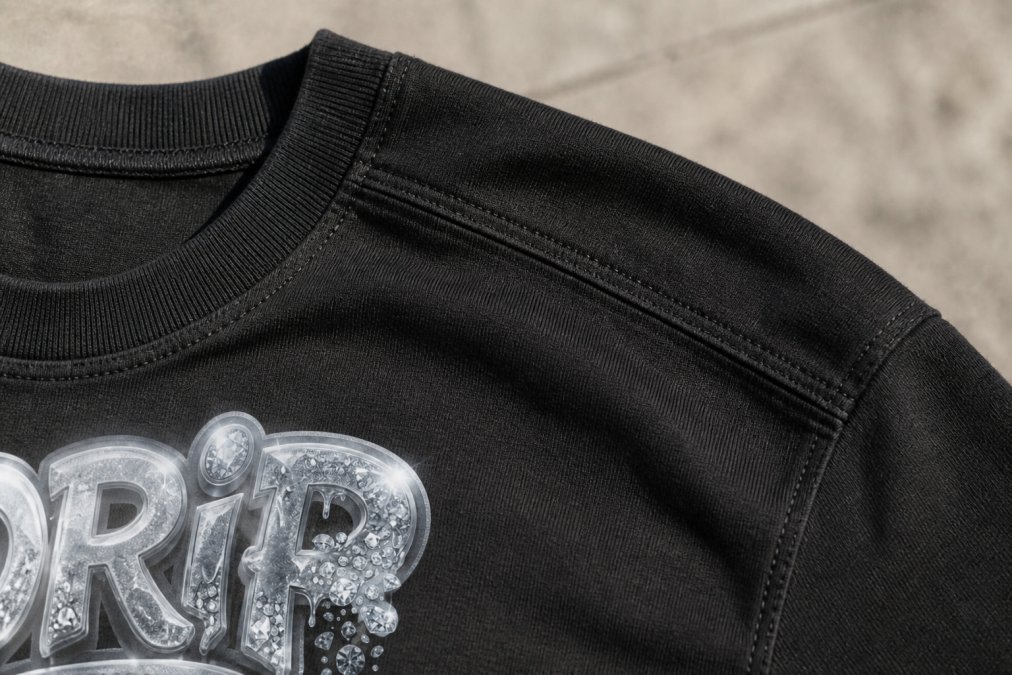
Reinforced stitching is where most cheaper apparel fails. A single-needle seam will eventually give way under stress. Double-needle construction, where two parallel lines of stitching reinforce seams, dramatically extends garment life. Taped neck and shoulders add another layer of protection at the points that experience the most tension.
The Nation Swag Designs collection features pieces like the Smoking nation Heavyweight Unisex Crewneck T-shirt, built on a Gildan 5000 base with seamless double-needle collar construction, double-needle sleeve and bottom hems, and taped neck and shoulders for durability. This is what durable streetwear for physical jobs actually looks like: 100% preshrunk cotton that won't shrink after washing, with construction details designed to survive years of wear.
Preshrinking matters more than most people realize. Fabric that hasn't been preshrunk will shrink unpredictably in the wash, changing fit and potentially damaging seams. Quality manufacturers preshrink their cotton before cutting and sewing, eliminating this variable entirely.
Ripstop and Tear-Resistant Blends
Ripstop fabric incorporates thicker threads in a crosshatch pattern that prevents small tears from spreading (peer-reviewed research). Originally developed for military gear, ripstop excels in environments where puncture and tearing are real risks.
Many durable streetwear pieces now blend ripstop with cotton to capture both benefits: the comfort and breathability of cotton with the tear-resistance of ripstop. These blends often include elastane (spandex) for articulation, allowing the fabric to move with your body during physical work.
The blend ratio matters. A 65% cotton, 35% ripstop blend performs differently than 80% cotton, 20% ripstop. Higher cotton content feels more like traditional apparel but sacrifices some tear-resistance. Higher ripstop content increases durability but can feel less natural to wear all day.
Tactical Apparel for Everyday Wear: Beyond the Aesthetic
Tactical apparel design principles, functional pockets, reinforced stress points, weather-resistant materials, now define everyday workwear for people in physical jobs. The aesthetic appeals to veterans and patriots who value both form and function, but the real value lies in how these garments actually perform.
Functional design means every detail serves a purpose. Utility pockets are positioned and sized to hold tools and gear without creating bulk or compromising movement. Gusseted crotches (an extra triangular panel of fabric between the legs) prevent tearing during deep squats or climbing. Articulated knees in pants provide pre-bent shaping that matches the natural angle of your leg during work, reducing stress on seams.
Durable streetwear for physical jobs borrows these principles without requiring full tactical styling. A crewneck or hoodie can incorporate reinforced stress points, quality construction, and materials chosen for longevity. Nation Swag Designs pieces like the Dripping Diamond Unisex Max Heavyweight Short Sleeve combine streetwear styling with heavyweight construction, 100% US cotton, reinforced stitching, available in sizes S-7XL with a boxy fit designed for active movement.
How to Choose Durable Work Clothing That Fits Your Needs
Selecting durable streetwear for physical jobs requires evaluating both objective specifications and how the garment actually fits your body and work environment.
Construction Details That Signal Quality
Turn a garment inside out and inspect the seams. Are they single-needle or double-needle? Do they look straight and even? Are there reinforcing stitches at stress points like armholes and pocket corners?
Check the neck. A taped neck, where a strip of fabric is sewn into the neckline, adds durability and prevents stretching. Seamless construction at the collar indicates higher manufacturing standards. Look at the hem, double-needle hems are standard on quality pieces. Single-needle hems are cheaper but fail more easily.
Fabric weight is printed on the product spec. Anything claiming to be heavyweight should be 7 ounces or more. Preshrunk jersey knit is the specification to look for in cotton t-shirts and crewnecks. Check for reinforcement at stress points. The Gildan 5000 construction used in Nation Swag Designs pieces includes double-needle sleeves and bottom hems specifically because these areas experience the most stress during wear and washing.
Sizing and Fit for Active Movement
Durable streetwear for physical jobs needs to fit your actual body. Oversized or boxy fits aren't a compromise, they're intentional design for people doing physical work. You need room to move, bend, and reach without seams pulling or fabric tearing.
Check the size range. Nation Swag Designs pieces come in S-7XL specifically because real people come in all sizes. Fit should allow full range of motion. Raise your arms overhead, can you do it comfortably without the hem riding up? Bend forward as if reaching toward the ground, does the back pull tight? Squat down, is there restriction at the hips?
Heavyweight cotton drapes differently than lightweight cotton. It won't cling to your body the way thin fabric does. This is a feature for physical work, the fabric's weight provides structure and durability. If buying online, check the return policy. A brand confident in their construction will offer hassle-free returns.
Durability Testing: What Holds Up in Real Conditions
Durability claims mean nothing without real-world testing. Most brands don't publish how they test their apparel. Brands that actually test and publish results are worth buying.
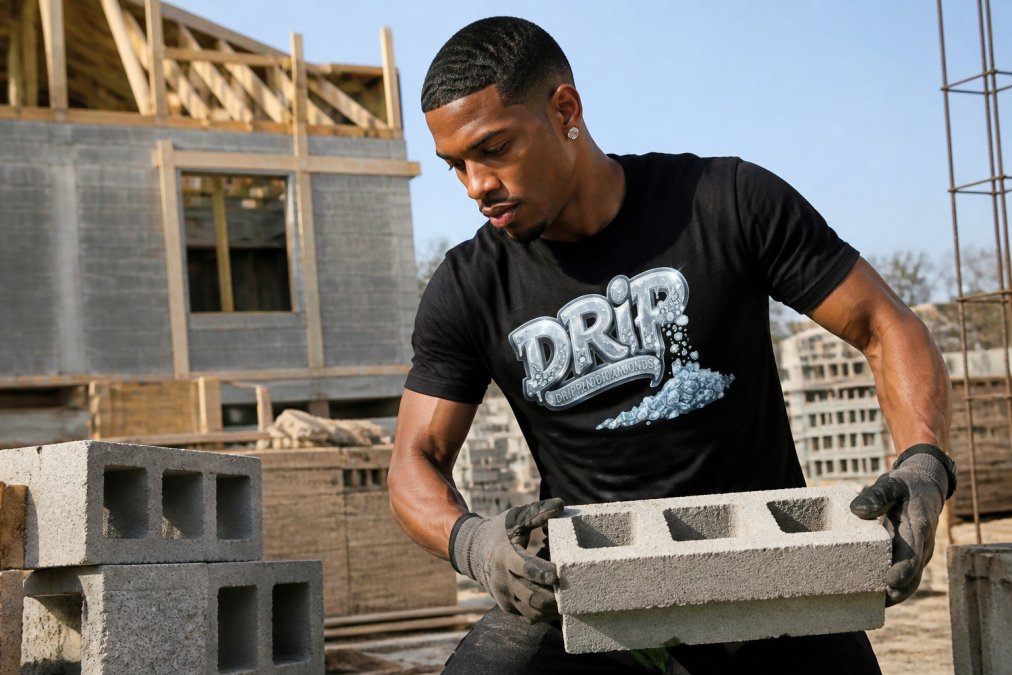
Real durability testing includes repeated washing cycles, abrasion testing, and stress testing at seams. A garment should be washed multiple times in hot water with normal detergent to see if it shrinks, fades, or degrades. Seams should be tested under tension to see where they fail. Graphics should be tested for cracking and fading.
Abrasion resistance testing involves rubbing fabric against itself or a rough surface for a specific number of cycles. A fabric that survives 10,000 cycles will outlast one that fails at 5,000 (astm.org). Seam strength is tested by pulling on seams until they fail. Quality seams should hold under significant tension. Double-needle seams consistently outperform single-needle seams.
Graphics durability is tested through repeated washing and heat exposure. A graphic that cracks after five washes is worthless. Quality graphics use direct-to-garment printing or screen printing with proper curing, and they're tested to survive dozens of washes without visible degradation.
Graphic Durability and Long-Term Wear
The graphic is often the first thing to fail on printed apparel. A shirt with perfect fabric and construction becomes unwearable if the graphic cracks and peels after a few months.
Graphic durability depends on three factors: ink quality, printing method, and application technique. Screen printing, where ink is pushed through a mesh screen onto fabric, is more durable than many cheaper printing methods. Direct-to-garment printing can also be durable if done properly, but it requires quality inks and proper curing.
The application process matters as much as the ink. If ink isn't properly cured (heat-set into the fabric), it will crack and fade. Proper curing requires time and temperature control. Brands rushing production skip this step and end up with graphics that fail quickly.
Washing technique affects graphic longevity. Turning garments inside-out before washing reduces friction on the graphic. Using cold water and gentle detergent extends graphic life. But even with perfect care, a poorly applied graphic will fail. Nation Swag Designs pieces are designed with graphic durability as a priority, the graphics need to last as long as the garment itself.
Test graphic durability yourself before committing to regular wear. Wash a new piece once and examine the graphic closely under good lighting. Look for any cracking, fading, or peeling at the edges.
Sustainable Repairability: Extend Your Gear's Life
True durability isn't just about how long a garment lasts before failing, it's about whether it can be repaired when it does fail. A piece that can be easily repaired extends its useful life significantly.
A torn seam can be resewn. A small hole can be patched. A loose button can be replaced. But if the garment is made from cheap materials or constructed in a way that makes repair difficult, fixing it costs more than replacing it.
Quality construction enables repair. Double-needle seams can be carefully opened and resewn if they fail. Reinforced stress points can be reinforced again if needed. Heavyweight fabric can be patched without the patch being more visible than the repair on thin fabric.
A brand that uses quality materials and construction implicitly supports repairability. They're building pieces designed to last and be maintained, not disposable items designed to be replaced. When a seam fails on a quality piece, you have options: send it back for repair, take it to a tailor, or repair it yourself. Compare this to a cheap piece where repair isn't economically viable.
Choosing durable streetwear for physical jobs means looking beyond brand names and marketing claims. It means examining construction details, understanding materials, and demanding that durability claims be backed by real testing. Nation Swag Designs pieces like the Smoking nation Heavyweight Unisex Crewneck T-shirt ($19.18) and the Dripping Diamond Unisex Max Heavyweight Short Sleeve ($26.48) are built on this foundation: heavyweight US cotton, reinforced stitching, available in sizes that fit real people, and designed to survive years of physical work and repeated washing. When you invest in apparel built to last, you're buying reliability, comfort, and the confidence that your gear will perform when it matters.
Frequently Asked Questions
What features make streetwear durable enough for manual labor?
Durable streetwear for physical jobs requires heavy-weight fabric (7.5 oz cotton minimum), reinforced stitching at stress points like shoulders and seams, and construction details like taped necks and double-needle hems. Abrasion-resistant materials and gusseted construction in high-wear areas add years to the garment's life. Look for preshrunk jersey knit that won't shrink after washing, and verify that graphics use direct-to-garment or screen printing that won't crack with movement and sweat.
How do you balance professional workwear requirements with streetwear aesthetics?
Tactical apparel for everyday wear bridges this gap by combining functional construction with contemporary design. Choose unisex fits that allow full range of motion, neutral color palettes that pair with work boots and utility gear, and graphics that convey identity without compromising durability. Heavy-weight fabrics and relaxed silhouettes work equally well on a job site or in casual settings. Sizing through 7XL ensures the fit accommodates real working bodies, not just model frames.
Are cotton-blend hoodies suitable for high-intensity physical jobs?
Pure 100% preshrunk cotton outperforms blends for durability in high-intensity work. Cotton offers superior abrasion resistance, breathability, and tear strength compared to polyester blends. However, some cotton blends with minimal synthetic content (1-2% elastane for stretch) can work if the base is at least 99% combed ring-spun cotton. Avoid blends heavy in polyester, which pills, snags more easily, and traps moisture. Always verify the fabric weight: 7.5 oz or heavier is the durability floor.
How can you maintain the appearance of graphic tees in demanding work environments?
Graphic durability depends on print method and care. Direct-to-garment and high-quality screen printing bond better to heavy-weight fabric than cheaper transfer methods. Wash in cold water inside-out to reduce fading and cracking. Air-dry when possible; heat from dryers accelerates graphic breakdown. Avoid bleach and harsh detergents. Reinforced stitching and preshrunk fabric prevent the base garment from shrinking and stressing the print, which extends graphic life significantly in physically demanding roles.
This article was written using GrandRanker