
Table of Contents
- Why Alternatives to Mass Produced Christian Apparel Matter
- Independent Christian Clothing Brands with Modern Design
- Patriotic Christian Apparel with Ethical Manufacturing
- High-Quality Christian Graphic Tees and Hoodies
- Styling Modern Christian Clothing for Everyday Wear
- DIY and Custom Printing Resources
- How to Identify Authentic Faith-Based Apparel
- Conclusion
Why Alternatives to Mass Produced Christian Apparel Matter
Finding authentic faith-based clothing that doesn't feel like a costume is harder than it should be. Mass-produced Christian apparel often falls into predictable traps: oversized graphics, generic messaging, cheap fabric that falls apart after a dozen washes. For veterans and patriots who want their clothing to reflect genuine conviction without compromising on quality or style, alternatives to mass produced Christian apparel have become essential.
The real problem is that mainstream retailers have turned faith-based fashion into a commodity. They churn out high-volume inventory with minimal attention to fabric quality, durability, or design sophistication. A graphic that cracks after five washes, a hoodie that shrinks unpredictably, or a design so heavy-handed it reads as parody, these aren't minor complaints. They're reasons people stop wearing the pieces altogether.
At Nation Swag Designs, we've tracked what moves the needle for people serious about their wardrobe: quality matters, fit matters, design philosophy matters. When you combine those elements with ethical manufacturing practices and transparent supply chains, you get apparel that actually lasts and looks intentional. Below, we'll walk you through alternatives that deliver on all three fronts.
Independent Christian Clothing Brands with Modern Design
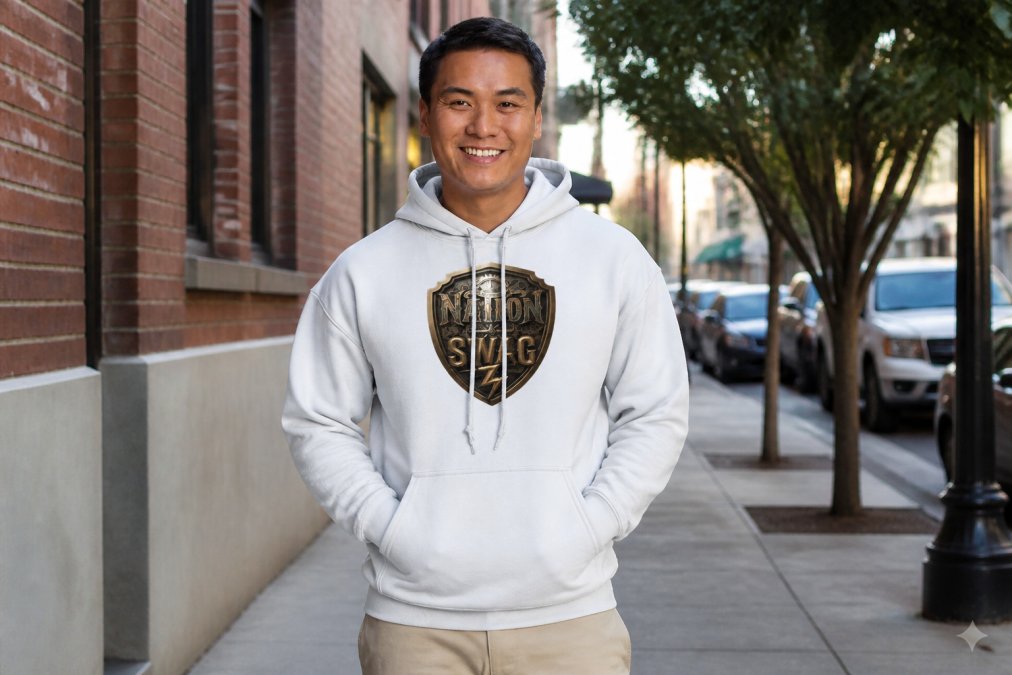
Independent Christian clothing brands have fundamentally changed what faith-based apparel can be. These aren't mass-market retailers optimizing for volume, they're small teams building collections around design philosophy, material integrity, and authentic messaging. The difference shows immediately in how the fabric feels, how the graphic holds up, and how the piece makes you feel wearing it.
The best independent brands approach faith-based design with intentionality. They invest in quality blanks, work with experienced printers who preserve design detail through hundreds of washes, and charge prices that reflect that work. What separates the strongest brands is transparency about their process, they'll tell you exactly which printer they use, which blanks they've tested, and why they made specific choices.
Minimalist vs. Bold Faith-Based Designs
The design spectrum in faith-based apparel runs from whisper-quiet to unmissable. Minimalist designs use subtle typography, single-color prints, or small placement graphics that work as visual statements without demanding attention. Bold designs take the opposite approach, using full-chest graphics, multi-color prints, and large-scale imagery.
The choice depends on your context and comfort level. In professional or mixed-belief environments, minimalist designs let your conviction speak without forcing a conversation. In communities where bold expression is expected, a striking graphic becomes part of your identity statement. Nation Swag Designs offers both approaches, from understated geometric work on our Gildan 5000 heavy cotton tees to the full-chest impact of our Shield Strength Hoodie designs.
The most sophisticated independent brands blur this line, creating designs that work as minimalist pieces at first glance but reveal layers of detail the closer you look, a compass that's also a circuit board, lightning bolts that form a cross.
Avoiding the Cheesy Factor
The cheesy factor usually stems from overwrought messaging, poor execution, or designs that prioritize shock value over authenticity. When a graphic tries too hard to be funny or clever, it often lands as forced. When print quality is visibly cheap, it undermines whatever message the design carries.
The antidote is simplicity combined with craft. A well-executed simple design beats a poorly-executed complex one every time. A single powerful image, printed cleanly on quality fabric with intentional color choices, reads as serious. An overcrowded graphic with five different fonts reads as the opposite.
Independent brands win on this metric because they're small enough that their founders wear their own designs. That accountability matters. The best independent brands also iterate, testing designs with their community and killing concepts that don't land.
Patriotic Christian Apparel with Ethical Manufacturing
Ethical manufacturing has moved from niche concern to baseline expectation for apparel that's supposed to reflect your values. If you're buying Christian clothing as an expression of faith, it rings hollow if the supply chain involves exploitative labor or environmental damage.
Patriotic Christian apparel from responsible manufacturers starts with transparency. You should know where the blanks come from, which facilities do the printing, and what labor standards those facilities maintain. Brands that publish this information are signaling they've done the work to verify it.
Supply Chain Transparency and Sustainable Materials
Supply chain transparency means you can trace the journey from raw material to finished product. For apparel, that starts with the fabric itself. Cotton sourced responsibly looks different than cotton sourced at the lowest cost.
The strongest independent brands use blanks from manufacturers who are OEKO-TEX certified or members of the US Cotton Trust Protocol. These certifications represent actual third-party verification of labor practices and environmental standards. Sustainable materials in faith-based apparel often means investing in pieces designed to last years, not seasons. A heavy-weight cotton tee from Gildan's 5000 line, made from 100% US cotton that's ethically grown, costs more upfront but is still cheaper than replacing a cheap piece three times.
Some independent brands use organic cotton, recycled polyester blends, or deadstock fabric from other manufacturers. These approaches reduce environmental footprint while resulting in garments that feel better and perform better.
Supporting Small-Batch Production
Small-batch production is fundamentally different from mass manufacturing. Instead of producing 10,000 units of a single design, small-batch brands might produce 200-500 units. That constraint forces intentionality, every design choice matters because you can't afford to produce failures at scale.
Small-batch also means the brand can respond to feedback and iterate quickly. If a design resonates, they can produce another batch with refinements. If something doesn't work, they can kill it without being stuck with thousands of unsold units. Supporting small-batch production also means supporting the people behind the brand, who often reinvest profits directly into improving their product.
High-Quality Christian Graphic Tees and Hoodies
The foundation of any serious wardrobe is quality basics. For faith-based apparel, that means starting with blanks that feel good, hold up to repeated washing, and provide a clean canvas for graphics. The difference between a $12 blank and an $18 blank is fiber quality, construction methods, and long-term durability.
Nation Swag Designs builds collections around proven blanks like Gildan's 5000 heavy cotton tee and 18500 pullover hoodie. The Gildan 5000 uses 100% cotton with a tight knit that gives graphics sharper detail and longer color retention (gildan.com). The 18500 hoodie combines 50% cotton and 50% polyester in a heavy blend that resists pilling and maintains its shape through years of wear (gildan.com).
Fabric Quality and Durability Standards
Fabric quality determines how long a piece lasts and how it feels. Heavy-weight cotton (typically 5.3 oz per square yard or higher) is the baseline for durability (peer-reviewed research). That density means the fabric resists thinning, maintains its shape, and doesn't develop holes easily.
Durability also depends on construction details: double-needle stitching on seams, reinforced shoulders, and properly finished hems all contribute to longevity. The printing method matters equally. Screen printing creates a thicker ink layer that's highly durable but less suitable for detailed designs. Direct-to-garment (DTG) works beautifully for complex graphics but requires careful curing. Direct-to-film (DTF) offers a middle ground with good detail retention and solid durability.
Washing instructions matter too. A heavy-weight tee should be washed in cold water, inside-out, with like colors. Brands that provide clear washing guidance signal they care about long-term performance.
Sizing Inclusivity and Fit Guides
Sizing inclusivity means offering a genuine range with proportions that work for different body types. Many mass-market brands claim extended sizing but simply scale up designs meant for smaller frames, resulting in poor fit at larger sizes.
The best independent brands approach sizing differently, working with manufacturers who understand how to grade patterns properly. A properly-graded 2XL should fit someone who's 6'2" and 220 pounds as well as a properly-graded M fits someone who's 5'8" and 160 pounds.
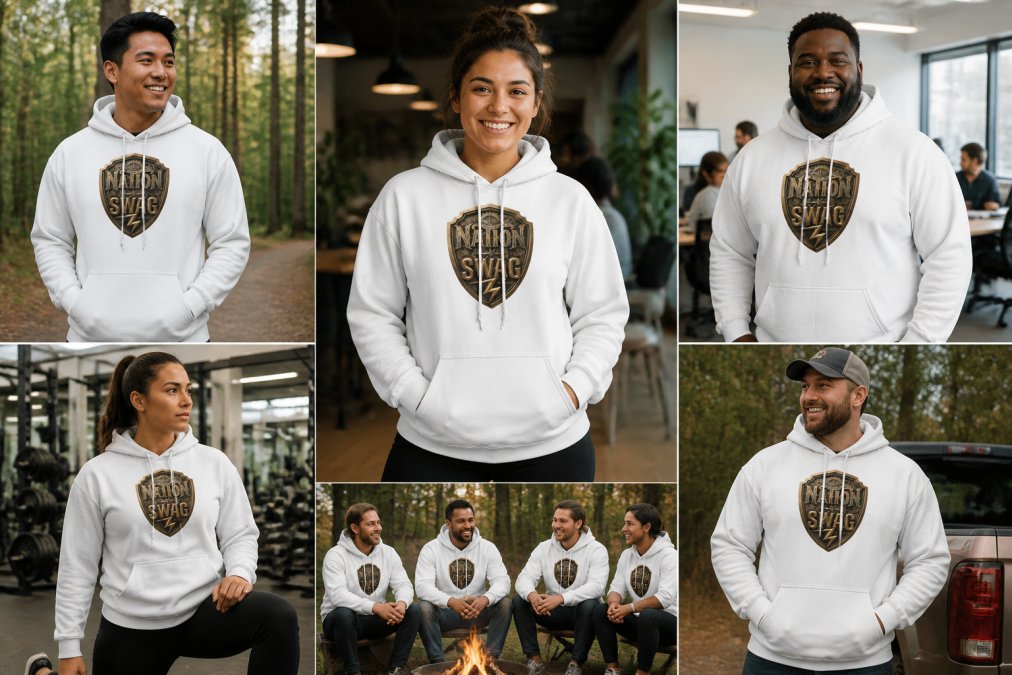
Fit guides are equally important. Brands that provide actual measurements and fit photos showing the same design on different body types eliminate guessing. Nation Swag Designs prioritizes unisex sizing across our collection with clear sizing information so you can choose pieces that actually fit.
Styling Modern Christian Clothing for Everyday Wear
The most sophisticated use of faith-based apparel treats it as part of a broader wardrobe strategy, not a separate category. A well-designed Christian graphic tee works the same way a band tee works, as a statement piece that can anchor an outfit or layer into something more complex.
Minimalist designs layer beautifully under jackets, cardigans, or overshirts. Bold designs work best as standalone pieces or layered with neutral bottoms that don't compete visually. The weight of the fabric affects styling: heavy-weight pieces have structure that works well on their own, while lighter pieces benefit from layering.
Color choice matters more than people realize. Black or charcoal graphic tees are versatile and pair with almost anything. Heather colors add visual interest while remaining neutral enough to layer. The key to wearing faith-based apparel without it feeling like costume is treating it like any other meaningful piece, with intentionality about context and combination.
DIY and Custom Printing Resources
Not every faith-based design you want exists yet. DIY and custom printing options let you create pieces that reflect your specific beliefs or community. Direct-to-garment (DTG) printing services like Printful, Merch by Amazon, and Teespring let you upload a design and print it onto blanks with no minimum order quantity.
Screen printing cooperatives and local print shops offer another route. Many cities have community makerspaces or small print shops that offer screen printing classes and access to equipment. For custom designs, hiring a freelance designer through platforms like Fiverr or 99designs gives you professional-quality work at reasonable cost ($50-200 depending on complexity).
The key to successful DIY is starting with quality blanks. Use the same Gildan or Bella + Canvas blanks that established brands use. A great design on cheap fabric still looks cheap; a good design on quality fabric looks intentional.
How to Identify Authentic Faith-Based Apparel
Authentic faith-based apparel signals its authenticity through several markers. The first is transparency about manufacturing, brands genuinely committed to quality will tell you where blanks come from and what standards facilities maintain. The second is design consistency, reflecting a design philosophy rather than chasing trends. The third is customer feedback from people who've actually worn the pieces, mentioning specific details about how the fabric feels and whether sizing is accurate.
The fourth marker is price alignment with quality. Quality heavy-weight blanks, professional printing, and ethical manufacturing all cost money. The fifth marker is responsiveness to feedback, authentic brands listen to customers and iterate.
Nation Swag Designs uses verified quality blanks (Gildan 5000, Gildan 18500, Bella + Canvas), maintains transparent sourcing and manufacturing, keeps consistent design language across our collection, and prices based on actual material and labor costs.
Finding alternatives to mass produced Christian apparel means prioritizing quality, design philosophy, and manufacturing transparency. The brands and resources covered here share a commitment to pieces that last, designs that feel intentional, and supply chains you can trust. Nation Swag Designs delivers on all three through carefully curated collections built on proven blanks, faith-based and patriotic designs that avoid the generic, and heavy-weight comfort that veterans and patriots expect. Start with pieces that match your style preference and build from there. Quality apparel that reflects your values becomes part of your identity.
Frequently Asked Questions
Q: What makes alternatives to mass produced Christian apparel better than mainstream options?
A: Independent and small-batch Christian apparel brands prioritize design integrity, fabric quality, and ethical manufacturing. Mass-produced options often sacrifice durability and resort to clichéd graphics that undermine authentic faith expression. Quality alternatives use premium cotton blends, invest in modern typography and minimalist aesthetics, and ensure garments withstand repeated wear without fading or cracking. Many also maintain transparent supply chains and support fair labor practices, values that mass production typically overlooks in pursuit of volume and profit margins.
Q: How do I find high-quality Christian graphic tees that won't fade or crack?
A: Look for brands that specify their fabric composition (100% cotton or premium blends like 50/50 cotton-polyester) and printing methods. Direct-to-garment (DTG) and direct-to-film (DTF) printing create sharper, more durable graphics than screen printing. Check product descriptions for details on pre-shrinking, stitching reinforcement, and air-jet yarn technology, which reduces pilling. Verify that brands test durability through multiple wash cycles. Nation Swag Designs, for example, uses Gildan's air-jet yarn and double-needle construction specifically to prevent fading and maintain graphic integrity over time.
Q: Are independent Christian clothing brands more expensive than mass-market alternatives?
A: Independent brands often cost slightly more upfront, but deliver better value long-term. A $43 heavy-blend hoodie from an independent maker lasts 3-5 years with proper care, while cheaper mass-produced options may deteriorate within a year. Premium fabrics, ethical manufacturing, and smaller production runs justify the price. Additionally, independent brands avoid the markup markup chains that mass retailers add. When you calculate cost-per-wear over the garment's lifespan, quality alternatives typically cost less and align your spending with your faith values.
Q: What should I look for when choosing patriotic Christian apparel?
A: Prioritize brands that combine faith-based messaging with patriotic themes authentically rather than superficially. Look for modern typography and minimalist design that avoids clichés. Verify ethical manufacturing practices, including fair wages and transparent supply chains. Check sizing inclusivity, unisex cuts and extended size ranges signal commitment to diverse customers. Read customer reviews and request photos from real wearers, not just models. Brands that offer detailed fabric specifications, explain their design philosophy, and highlight their values in manufacturing are more likely to deliver apparel that genuinely reflects your convictions.
Q: Can I customize Christian apparel through DIY printing?
A: Yes. Direct-to-garment (DTG) printing services allow you to design custom Christian graphics on blank apparel from quality brands like Gildan. You'll need design software or hire a designer, then upload your artwork to a print provider. This approach costs $15-30 per shirt depending on design complexity and blank garment quality. Alternatively, screen printing offers durability for bulk orders (10+ pieces). Heat-transfer vinyl is suitable for small runs but less durable. Start with a quality blank (heavy-weight cotton or cotton-blend) to ensure your custom design lasts. Many independent apparel makers use these same methods, so DIY printing lets you match their quality at lower cost if you're making multiple pieces.
This article was written using GrandRanker