
Table of Contents
- Understanding Fabric Weight and Textile Quality
- Garment Construction: The Foundation of Durability
- Ethical Manufacturing and Supply Chain Transparency
- Best Veteran Owned Clothing Brands and What Sets Them Apart
- Benefits of Buying American Made Apparel
- How to Verify Veteran Owned Business Status
- Care and Maintenance: Protecting Your Investment
- Conclusion
Last Updated: August 12, 2026
Understanding Fabric Weight and Textile Quality
High-quality veteran apparel starts with the foundation: the fabric itself. Fabric weight, measured in ounces per square yard, directly determines how long a garment will last and how it feels against your skin. Heavy-weight fabrics, typically 6 ounces or more, provide superior durability and comfort compared to standard 4-5 ounce alternatives. This matters because thicker fabric resists pilling, fading, and wear from repeated washing and physical activity.
Textile quality extends beyond weight. The fiber composition determines breathability, moisture management, and longevity. Cotton-polyester blends, commonly found in trusted brands like Gildan and Bella + Canvas, offer a balance: cotton provides comfort and breathability while polyester adds durability and reduces shrinkage. Pure cotton garments feel softer initially but may shrink unpredictably and break down faster under stress. Synthetic blends maintain their shape and structure through dozens of wash cycles.
What makes veteran apparel high quality also depends on how fibers are spun and woven. Ring-spun cotton, a more expensive process, creates tighter, stronger yarn than open-end spinning. The result is fabric that resists pilling and maintains its appearance longer. When you're investing in apparel that reflects your identity and values, this technical difference translates to real longevity. A shirt made from ring-spun fabric will look sharp after 50 washes; a cheaper alternative may show visible wear after 20.
Nation Swag Designs prioritizes heavy-weight fabrics from established manufacturers because they understand that comfort and durability aren't negotiable for veterans and patriots who wear their apparel daily. The weight you feel in your hands when you first receive the garment is a reliable indicator of the craftsmanship and material investment behind it.
Garment Construction: The Foundation of Durability
The way a shirt is sewn determines whether seams will hold or unravel. Durability in veteran apparel high quality starts with stitch count and thread quality. Double-needle stitching on sleeve hems and side seams creates reinforced stress points that resist tearing. Single-needle construction, common in cheaper alternatives, fails quickly when the garment experiences real-world wear.
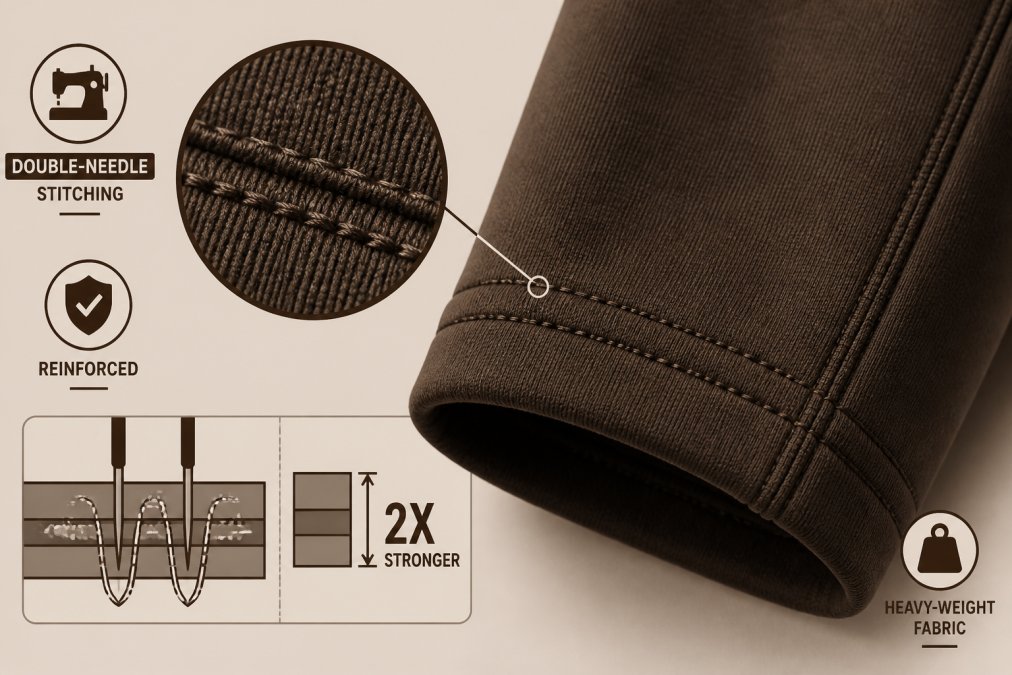
Collar construction reveals a manufacturer's commitment to quality. A properly constructed collar uses a ribbed knit that's sewn in with precision, then topstitched to prevent rolling or stretching out of shape. After 50 washes, a well-made collar stays structured; a poorly made one begins to curl and deform. This detail matters because the collar is the first thing people see when you wear the garment.
Armhole seams and shoulder reinforcement separate apparel built to last from disposable alternatives. High-quality construction includes reinforced box stitching at the armpit, an area that experiences constant stress during movement. When brands like Gildan and Bella + Canvas engineer their garments for workwear and athletic use, they build in these reinforcements from the factory floor.
Graphic print quality is inseparable from garment construction. Direct-to-garment printing and screen printing each have trade-offs. Screen printing creates thicker ink layers that last longer but can feel stiff initially. DTG printing feels softer but may crack after repeated washing if the ink adhesion isn't properly cured. The best veteran apparel manufacturers use screen printing for bold, patriotic designs because the durability justifies the slightly stiffer feel, the graphic will still be sharp after 100 washes.
Ethical Manufacturing and Supply Chain Transparency
Knowing where and how your apparel is made matters, especially for those who value patriotic principles and supporting ethical business practices. Supply chain transparency means a brand can tell you exactly which factories produce their garments, what labor standards they enforce, and whether production happens domestically or overseas.
Many veteran apparel brands source from overseas manufacturers to reduce costs. This isn't inherently bad, quality apparel is produced globally, but it requires verification. Ethical manufacturing means documented labor practices, fair wages, and safe working conditions. Brands that prioritize this transparency publish factory audits and certifications from third-party organizations.
Domestic manufacturing carries its own premium. Producing apparel in the United States involves higher labor costs and stricter regulatory oversight, which translates to higher retail prices. However, it also means direct accountability and the ability to inspect facilities personally. For brands serving the veteran community, many choose to highlight American production as a core value proposition.
Supply chain transparency also includes material sourcing. Where does the cotton or polyester come from? Are materials sourced from suppliers with documented environmental and labor standards? Brands committed to ethical practices can trace materials from source to finished garment. This level of detail separates mission-driven businesses from those simply chasing profit.
Nation Swag Designs partners with established manufacturers known for quality standards, ensuring that the apparel you receive meets consistent specifications and reflects the values of the community it serves. When a brand is transparent about manufacturing partners and material sourcing, it signals confidence in their supply chain and commitment to ethical practices.
Best Veteran Owned Clothing Brands and What Sets Them Apart
The veteran-owned business landscape includes brands that range from small startups to established manufacturers. What distinguishes the best veteran owned clothing brands is their combination of quality materials, authentic mission, and genuine community connection.
Veteran-owned apparel companies typically emphasize American-made production or partnerships with domestic manufacturers. This choice reflects both practical business sense, shorter supply chains, faster inventory turns, and ideological commitment to supporting domestic economy and employment. Many veteran entrepreneurs have firsthand experience with manufacturing and supply chain management from military logistics roles, which translates to informed sourcing decisions.
Mission-driven business models define the best veteran owned clothing brands. Beyond selling apparel, these companies often commit a percentage of profits to veteran nonprofits, mental health resources, or transition-to-civilian programs. This isn't marketing theater, it's baked into the business structure. When you buy from a brand with this commitment, you know your purchase directly supports the veteran community.
Community authenticity matters more than most consumers realize. The best brands in this space were founded by veterans who understand the culture, values, and needs of their customer base. They design graphics that resonate because they've lived the experiences depicted. They choose fabric weights because they know what feels right during a full day of work or training. This lived experience creates products that feel genuine rather than exploitative.
Comfort and fit specifications reflect deep customer knowledge. Veteran-owned brands often offer extended sizing, larger sizes and proportions that fit real bodies, not just marketing models. They understand that their audience includes people of all builds who've served, and they design accordingly. This commitment to inclusive sizing is a practical business decision backed by authentic community understanding.
Nation Swag Designs delivers apparel through a curated approach, partnering with trusted manufacturers like Gildan and Bella + Canvas to ensure consistent quality while maintaining focus on meaningful design. The brand's emphasis on heavy-weight fabric and unisex sizing reflects direct understanding of veteran and patriotic customer needs.
Benefits of Buying American Made Apparel
Purchasing American-made apparel creates measurable economic impact. When production happens domestically, wages stay in local communities, supporting families and local economies. Manufacturing jobs in textile and apparel production represent skilled work with real career pathways, not just entry-level positions.
Regulatory oversight strengthens quality control. Domestic manufacturers operate under strict environmental and labor regulations enforced by federal agencies. This creates consistent standards across facilities and reduces the risk of discovering quality problems after purchase. You have recourse and accountability when something goes wrong.
Lead times and inventory flexibility improve with domestic production. Brands can respond to demand changes faster, reduce overstock waste, and adjust production based on customer feedback. This efficiency often translates to fresher inventory and better availability of popular items.
Supporting American manufacturing aligns with the values many veterans and patriots hold. There's a direct connection between purchasing decisions and community impact. When you buy American-made apparel, you're supporting manufacturing jobs, local tax bases, and domestic economic strength. This isn't abstract, it's visible in the communities where factories operate.
Quality consistency improves when production happens close to management oversight. Manufacturers can implement rapid feedback loops, adjust processes immediately, and maintain tighter quality control. The cost of this oversight is reflected in pricing, but the result is more reliable products that meet specifications consistently.
Domestic manufacturing also supports faster innovation. When design teams and manufacturers work in the same region or country, collaboration becomes easier. New design ideas can move from concept to production quickly, and feedback from customers reaches manufacturers faster. This responsiveness benefits consumers through better product iterations.
How to Verify Veteran Owned Business Status
Verifying veteran-owned business status requires checking official documentation and certifications. The Service-Disabled Veteran-Owned Small Business (SDVOSB) program, administered by the Small Business Administration (SBA), maintains a verified database of businesses that meet specific criteria. You can search the SBA's Veteran Business Outreach Center database to confirm whether a company holds this certification.
The SBA's definition of veteran-owned requires that a veteran owns at least 51% of the business and is involved in day-to-day operations. This isn't a passive investment, it's active ownership and management. Service-disabled veterans may qualify for additional certifications and contracting preferences.
Beyond federal certification, states maintain their own veteran-owned business registries. These vary by state but generally require similar ownership and involvement criteria. A business legitimately claiming veteran ownership should be registered in at least one official database.
Look for third-party certifications from organizations like the National Veteran-Owned Business Association (NVOBA) or regional veteran chambers of commerce. These organizations vet businesses and maintain membership directories. Membership doesn't guarantee quality, but it does confirm that the business has undergone verification by an independent organization focused on veteran entrepreneurship.
Direct communication with the business owner provides clarity. Legitimate veteran-owned companies are transparent about the founder's military background, service details, and current involvement in the business. If a company is vague about ownership or military service, that's a red flag.
Documentation matters. Veteran-owned businesses can typically provide proof of SBA certification, state registration, or third-party membership. Asking for this documentation is reasonable and professional, legitimate businesses welcome the question.
When evaluating whether to support a veteran-owned business, verify the status through official channels, then assess the company on its merits: product quality, customer service, and whether the company's stated mission aligns with your values. Veteran ownership is one factor in the decision, not the only one.
Care and Maintenance: Protecting Your Investment
Heavy-weight apparel requires specific care to maintain its appearance and durability over years of use. Washing practices directly impact how long graphic prints remain sharp and how the fabric holds its structure.
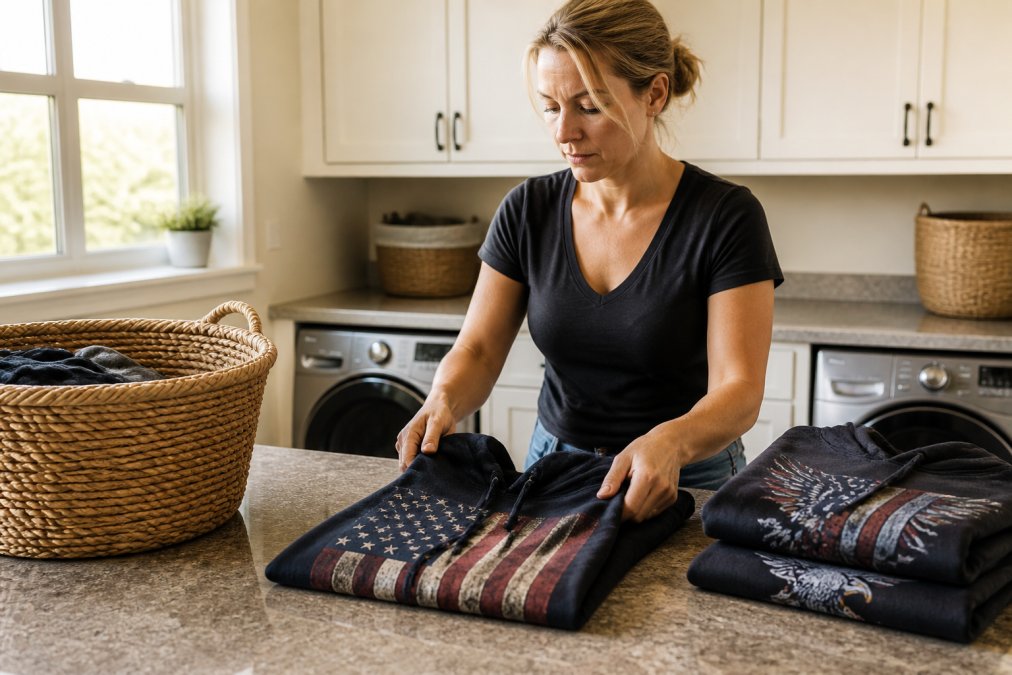
Cold water washing preserves both fabric and graphic quality. Hot water accelerates fading and can cause shrinkage even in pre-shrunk fabrics. Turning garments inside out before washing protects graphic prints from friction and direct water exposure. This simple step extends print life significantly.
Detergent selection matters more than most people realize. Heavy-duty detergents and bleach can damage both fabric and graphics. Gentle or sport-specific detergents designed for athletic wear are gentler on fibers while still removing dirt and sweat. For graphic apparel, avoid any product containing bleach or optical brighteners.
Drying practices determine whether your apparel maintains its shape. Air drying is ideal, hang the garment or lay it flat on a clean surface. Machine drying on high heat accelerates wear and can damage graphics. If you must use a dryer, use low heat and remove the garment promptly to prevent wrinkles and heat damage.
Storage protects garments between wears. Fold heavy-weight apparel rather than hanging it on wire hangers, which can create shoulder creases and deform the garment over time. Store in a cool, dry location away from direct sunlight. Sunlight exposure causes fading even when garments aren't being worn.
Graphic maintenance requires specific attention. Avoid rubbing or scrubbing printed areas, even when spot-cleaning. Blot stains gently with a damp cloth and mild detergent. For stubborn stains, let the garment soak rather than scrubbing, which can damage ink adhesion.
Frequency of washing extends garment life. Wash only when necessary, after multiple wears in most cases, not after every single wear. This reduces wear on fibers and graphics while still maintaining cleanliness. Spot-cleaning between washes handles most everyday dirt without full washing.
Understanding these care practices means your heavy-weight veteran apparel investment will remain sharp and comfortable for years. The initial quality of the garment combined with proper maintenance creates apparel that ages well and continues to represent your values through countless washes and wears.
Quality in veteran apparel isn't accidental, it's the result of deliberate choices about fabric weight, construction methods, manufacturing ethics, and long-term durability. When you understand what separates excellent apparel from mediocre alternatives, you can make purchasing decisions that align with your values and result in garments that truly last. Nation Swag Designs builds this quality into every piece, combining heavy-weight fabrics from Gildan and Bella + Canvas with meaningful patriotic and faith-based designs. You're not just buying a shirt; you're investing in apparel that reflects who you are and will stand up to real-world wear. Explore Nation Swag Designs' collection and find apparel that combines authentic craftsmanship with designs that resonate with your identity.
Frequently Asked Questions
What fabric weight should I look for in high-quality veteran apparel?
Quality veteran apparel typically uses fabric weights between 6.0 and 7.0 ounces per square yard for t-shirts and 9.0 to 10.0 ounces for hoodies. Heavier fabrics provide better durability, maintain their shape through washing, and resist pilling. Brands like Gildan and Bella + Canvas are known for consistent fabric weight standards that ensure your apparel lasts through years of wear.
How can I verify if a veteran apparel brand is actually veteran-owned?
Check the Veterans Business Outreach Center (VBOC) database or the National Veteran-Owned Business Association (NaVOBA) directory for verified listings. Ask the brand directly for their veteran ownership documentation or Veteran-Owned Small Business (VOSB) certification from the VA. Legitimate veteran-owned businesses display these credentials prominently and can provide proof of veteran ownership percentages and management involvement.
Why does American-made veteran apparel cost more than imports?
Domestic manufacturing involves higher labor costs, stricter quality control standards, and compliance with OSHA and EPA regulations. American-made apparel supports fair wages, safer working conditions, and transparent supply chains. You're paying for durability that lasts longer, reducing replacement frequency, plus the assurance that your purchase supports local economies and veteran-focused businesses.
What makes graphic prints on veteran apparel fade or crack?
Low-quality printing uses thin ink layers or poor adhesion to the fabric. High-quality veteran apparel uses direct-to-garment printing or screen printing with professional-grade inks that bond deeply to the fibers. Check for thick, flexible prints that move with the fabric rather than stiff or plasticky finishes. Proper care, turning garments inside-out before washing and using cold water, preserves print quality over dozens of washes.
This article was written using GrandRanker