
Table of Contents
- What Defines a Veteran-Owned Clothing Business
- How to Verify Veteran Owned Status
- Using a Veteran Owned Business Directory
- Distinguishing Veteran-Owned from Veteran-Themed Apparel
- Quality Standards and Material Sourcing
- Supporting the Military Community Through Your Purchase
- Conclusion
Last Updated: August 13, 2026
What Defines a Veteran-Owned Clothing Business
A veteran-owned clothing business is a company where a veteran of military service owns at least 51% of the business and maintains control over its day-to-day operations and strategic decisions. This ownership structure distinguishes genuine veteran-owned enterprises from companies that simply market patriotic themes or donate portions of proceeds to military causes.
The distinction matters because veteran ownership means the business decisions, profits, and mission directly reflect the values and experiences of those who served. When you purchase from a veteran-owned clothing company, you're supporting an entrepreneur who has already made significant sacrifices for their country and is now building something meaningful in the private sector.
Many veteran-owned clothing brands focus on quality apparel that resonates with military culture, tactical designs, patriotic graphics, and durable construction that appeals to those with military backgrounds. However, not all patriotic clothing comes from veteran-owned sources. Some companies use military imagery and themes purely for marketing while having no veteran ownership or involvement whatsoever.
Understanding this definition is your first step toward making informed purchases. The difference between supporting actual veteran entrepreneurship and simply buying patriotic-themed apparel from any retailer can significantly impact which business receives your money and grows as a result of your purchase.
How to Verify Veteran Owned Status
Check for Official Certifications
The most reliable way to verify veteran ownership is to look for official certifications from government agencies. The Department of Veterans Affairs and the Small Business Administration maintain databases of verified veteran-owned businesses. These certifications require documented proof of military service and ownership stake.
The Service-Disabled Veteran-Owned Small Business (SDVOSB) certification is one of the most respected credentials in this space. To earn this certification, the business owner must have a service-connected disability rating from the VA and maintain at least 51% ownership. This certification appears on official government procurement lists and carries significant weight in the business community.
Veteran Business Owners (VosB) certification is another legitimate credential, though requirements vary by state and certifying organization. Some states maintain their own veteran business registries with specific verification processes. Check your state's small business development center or economic development office for local veteran business directories.
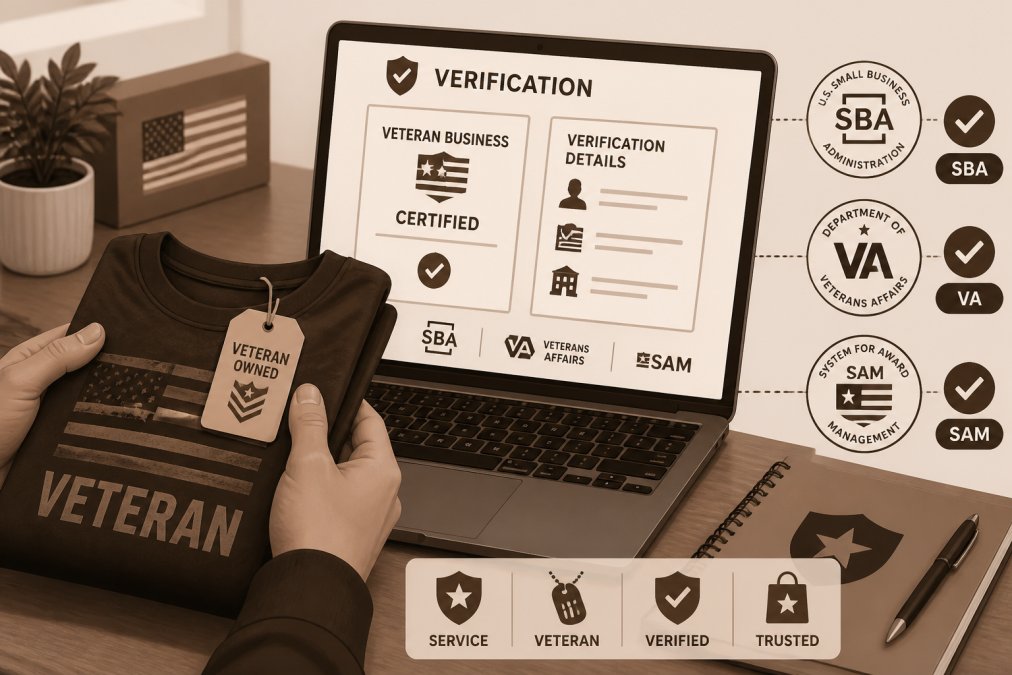
When reviewing a company's website, look for specific certification badges or statements that reference official government verification. Legitimate veteran-owned businesses prominently display these credentials because they represent a competitive advantage and demonstrate commitment to transparency.
Review Company Background and Founder Information
Beyond official certifications, investigate the company's founder and ownership structure directly. A veteran-owned clothing brand should have clear, accessible information about who owns the business and their military background. This might include a founder bio, "About Us" page, or company history that explains the owner's service.
Look for specific details: which branch of service, years of service, and how the owner's military experience influenced the business mission. Companies that are genuinely veteran-owned typically tell this story because it's central to their brand identity. Vague references to "supporting the military" without identifying actual veteran ownership should raise questions.
Many veteran-owned businesses highlight their founder's journey from military service to entrepreneurship. This narrative often appears in interviews, press releases, or company blogs. Authentic veteran ownership means the owner's service directly shaped the business values, product selection, and company culture.
Check LinkedIn profiles of company leadership and founders. Military service backgrounds are often listed in professional profiles, making it easier to verify claims. If the company claims veteran ownership but leadership profiles show no military background, that's a significant red flag.
Look for Third-Party Verification
Beyond government databases, reputable third-party organizations verify veteran business claims. Organizations like the Veterans Business Outreach Center, Veteran-Owned Business associations, and industry-specific veteran networks maintain their own directories and verification processes.
Some veteran-owned clothing brands participate in veteran business networks or chambers of commerce that require membership verification. These organizations often vet member businesses before listing them, adding another layer of credibility. Membership in these groups suggests the business has undergone some level of external verification.
Customer reviews and testimonials can provide indirect verification of veteran ownership claims. Long-standing veteran-owned businesses often have customers who specifically mention supporting veteran entrepreneurs in their reviews. These authentic customer voices can confirm whether the business genuinely operates under veteran leadership.
Press coverage and media mentions offer another verification avenue. Local news outlets, military publications, and business journals often cover veteran entrepreneur stories. If a company claims veteran ownership, searching for news articles or features about the founder can confirm this claim independently.
Using a Veteran Owned Business Directory
Official Government Resources
The Small Business Administration maintains the Veteran Business Outreach Center (VBOC) network, which provides resources and maintains databases of veteran-owned businesses across the country. These centers can connect you with verified veteran business owners and provide information about registered businesses in specific industries.
The VA's Center for Verification and Evaluation maintains records of Service-Disabled Veteran-Owned Small Businesses. This database is publicly searchable and represents one of the most authoritative sources for verifying veteran business status. If a company claims SDVOSB certification, you can verify this directly through the VA's official systems.
Federal procurement databases like SAM.gov (System for Award Management) list all businesses certified to work with government agencies, including veteran-owned certifications. While these databases focus on government contracting, they represent verified, official records of veteran business status.
State-level veteran business registries vary in comprehensiveness, but many states maintain official lists of registered veteran-owned businesses. Contact your state's small business development center or economic development office to access these resources. Some states offer tax incentives or procurement preferences for veteran businesses, which motivates businesses to register officially.
Private Certification Databases
Several private organizations have created veteran business directories that go beyond government listings. These databases often include more detailed information about business focus areas, product types, and customer reviews alongside verification status.
Veteran-focused business networks and associations maintain member directories that include clothing and apparel companies. Organizations like the National Veteran Small Business Coalition, various state veteran business councils, and industry-specific veteran networks can point you toward verified veteran-owned clothing brands.
Online platforms dedicated to supporting veteran entrepreneurs often feature searchable directories of veteran-owned businesses. These platforms typically require businesses to verify their veteran status before listing, creating another layer of credibility. Some platforms include customer reviews specifically from people seeking to support veteran-owned companies.
Trade associations within the apparel industry sometimes maintain veteran member directories. If you're looking for veteran-owned clothing specifically, industry associations focused on apparel manufacturing or retail may have curated lists of verified veteran businesses in that sector.
Distinguishing Veteran-Owned from Veteran-Themed Apparel
The apparel industry includes many companies that use military imagery, patriotic themes, and tactical designs without any veteran ownership. Understanding the difference prevents you from accidentally supporting businesses that simply profit from military aesthetics without veteran involvement.
Veteran-themed apparel focuses on design elements: military insignia, patriotic graphics, tactical styling, and references to service branches. These designs appeal to veterans and patriotic consumers, but the company behind them may have no veteran ownership whatsoever. A company can sell authentic-looking military apparel while being entirely civilian-owned and operated.
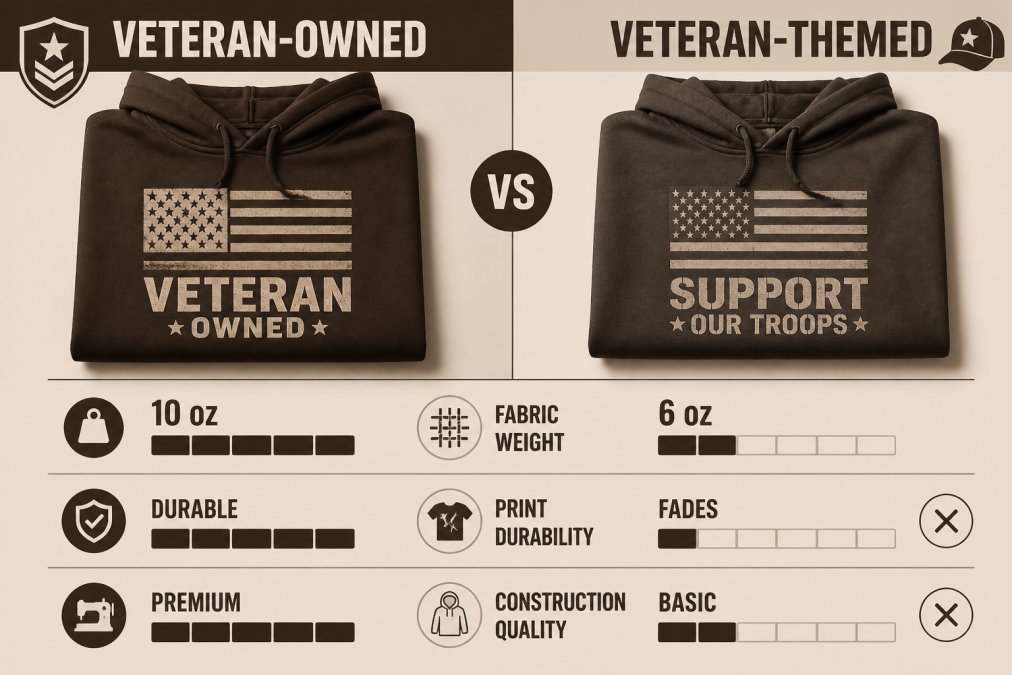
The key distinction lies in ownership and decision-making authority. Veteran-owned clothing businesses make decisions based on veteran perspectives, values, and experiences. The founder's military background influences product selection, design choices, and company mission. Civilian-owned companies making tactical apparel make decisions based on market trends and consumer demand, regardless of whether they personally understand military culture.
Some companies use military-inspired designs while donating portions of profits to veteran charities. This approach can be genuinely supportive, but it's fundamentally different from veteran ownership. The business owner remains civilian, and the veteran community benefits through charitable giving rather than through direct business ownership and control.
To distinguish between the two, check ownership documentation and founder backgrounds. Veteran-owned businesses typically emphasize their founder's service prominently. They position veteran ownership as a core brand value, not a secondary marketing angle. If the company's marketing focuses primarily on designs and features with minimal mention of veteran ownership, it's likely veteran-themed rather than veteran-owned.
Quality Standards and Material Sourcing
Veteran-owned clothing companies often prioritize durability and functionality because the target customer, people with military backgrounds, demands apparel that performs under demanding conditions. This focus on quality distinguishes many veteran-owned brands from mass-market alternatives.
Heavy-weight fabrics, reinforced seams, and durable construction are common features in veteran-owned apparel. These characteristics reflect the practical needs of the customer base. Veterans and patriotic consumers typically prefer clothing built to last through regular wear and frequent washing, rather than trendy pieces designed for short-term use.
Material sourcing practices vary among veteran-owned clothing companies. Some prioritize American-made production, viewing domestic manufacturing as supporting both veteran entrepreneurship and broader economic goals. Others source materials internationally while maintaining quality standards that exceed typical retail apparel.
When evaluating quality, examine specific fabric details. Look for information about fabric weight (measured in ounces per square yard), fiber composition, and construction methods. Reputable veteran-owned clothing brands provide detailed specifications because their customers understand and value these details. Companies that vague about materials or construction may be cutting corners.
Brands like Nation Swag Designs partner with established manufacturers like Gildan and Bella + Canvas, which are known for reliable quality and consistent construction. This approach ensures that patriotic and tactical designs appear on apparel with proven durability. The combination of meaningful graphics with heavy-weight, reliable fabric creates products that perform as well as they look.
Consider the printing or embroidery method used for designs. Screen printing, direct-to-garment printing, and embroidery each have different durability characteristics. Quality veteran-owned brands use methods that withstand repeated washing without cracking, fading, or peeling. Ask directly about printing durability if this information isn't provided.
Supporting the Military Community Through Your Purchase
Choosing veteran-owned clothing is one of many ways to support military entrepreneurship and the broader veteran community. Your purchase decisions directly impact which businesses grow and which business owners succeed in their post-military careers.
When you buy from a veteran-owned clothing company, you're supporting someone who has already sacrificed for their country and is now building something in the private sector. The profits from your purchase go to a veteran business owner rather than to shareholders in a larger civilian corporation. This direct economic support can be more meaningful than indirect charitable donations.
Many veteran-owned clothing brands reinvest profits into their communities through veteran employment, charitable partnerships, or direct support for military causes. By purchasing from these businesses, you enable them to expand these initiatives. A growing veteran-owned business can hire other veterans, creating employment opportunities within the veteran community.
Beyond individual purchases, consider recommending veteran-owned clothing brands to friends, family, and colleagues. Word-of-mouth support helps these businesses grow without requiring expensive advertising budgets. Veteran entrepreneurs often rely on community support to compete with larger, well-funded competitors.
Engaging with veteran-owned brands on social media, leaving reviews, and sharing their content amplifies their reach. These actions cost nothing but significantly help smaller businesses gain visibility. Your online engagement can introduce new customers to veteran-owned options they might not otherwise discover.
Some veteran-owned clothing companies participate in veteran advocacy work, supporting policies and programs that benefit the military community. By supporting these businesses, you indirectly support their advocacy efforts and their voice in broader conversations about veteran issues.
Finding veteran-owned clothing requires moving beyond patriotic marketing to verify actual veteran ownership and control. By checking official certifications, reviewing founder backgrounds, and consulting veteran business directories, you can confidently support businesses genuinely owned by military service members. Nation Swag Designs exemplifies this commitment, offering high-quality apparel from Gildan and Bella + Canvas with meaningful patriotic and faith-based designs crafted specifically for veterans and patriots who value authentic veteran entrepreneurship. When you choose veteran-owned clothing, you're making a purchasing decision that directly supports someone who has already served their country and is now building something meaningful in the private sector.
Frequently Asked Questions
How can I verify if a clothing brand is veteran-owned?
Check for official certifications from the Veterans Business Outreach Center (VBOC), Service-Disabled Veteran-Owned Small Business (SDVOSB) certification, or the Veteran Owned Business Certification (VOBC). Visit the company's website and look for founder background information, military service details, and third-party verification badges. Contact the business directly and ask for proof of veteran ownership, legitimate veteran-owned companies are transparent about their status.
What's the difference between veteran-owned and veteran-themed clothing?
Veteran-owned clothing is produced by a business founded and operated by military veterans. Veteran-themed apparel simply features patriotic or military graphics but may be owned by non-veterans. To distinguish between them, research the company's founders, check official veteran business directories, and ask directly about ownership. Veteran-themed brands aren't necessarily lower quality, but veteran-owned purchases directly support military entrepreneurs.
Are there official directories where I can find veteran-owned clothing companies?
Yes. The Service-Disabled Veteran-Owned Small Business (SDVOSB) directory is searchable on sam.gov. The Veterans Business Outreach Center (VBOC) provides resources and listings. Additionally, the National Veteran-Owned Business Association (NaVOBA) maintains a member directory. These resources help you identify certified veteran-owned businesses across industries, including apparel and retail.
What benefits come from buying veteran-owned clothing?
Purchasing from veteran-owned businesses directly supports military entrepreneurs building careers after service. These companies often prioritize quality and durability, understanding the needs of their customer base. Your purchase contributes to veteran employment, strengthens the military community, and supports small business growth. Many veteran-owned apparel companies reinvest profits into veteran advocacy and community programs.
This article was written using GrandRanker